Degenerative Disc Disease in West Jordan UT
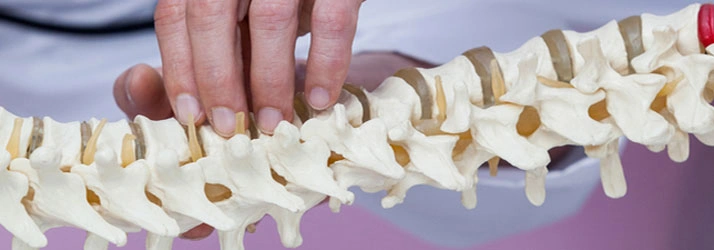
What is Degenerative Disc Disease In West Jordan UT?
Degenerative disc disease (DDD) in West Jordan UT impacts the intervertebral discs that cushion your spine's vertebrae, crucial for shock absorption and smooth movement. As we age or due to various factors, these discs may lose flexibility and hydration, resulting in structural breakdown. While this is a common aspect of aging, it can lead to pain, stiffness, and other discomforting symptoms. For more information on managing DDD, visit us.
While DDD itself is not a disease, it describes the natural wear and tear on the spine. This can result in conditions such as herniated discs, bulging discs, spinal stenosis, and osteoarthritis, which can cause discomfort and limit your mobility.
Degenerative Disc Symptoms
The symptoms of DDD vary widely from person to person. Some individuals may experience no symptoms at all, while others might have significant pain and discomfort.
Common symptoms include:
- Localized Pain: Pain might occur at the site of the affected disc, typically in the neck or lower back. This pain may worsen with movement or prolonged sitting or standing.
- Radiating Pain: If the degenerated disc compresses a nerve, the pain can radiate to other areas, such as the buttocks, legs, or arms (depending on the location of the affected disc).
- Numbness or Tingling: Nerve compression can also cause numbness, tingling, or weakness in the extremities.
- Stiffness: The spine may feel stiff and less flexible, making it difficult to bend or twist.
Degenerative Disc Causes
The primary cause of DDD is the natural aging process. As we get older, our discs lose water content and become less pliable. This makes them more susceptible to tears and herniation.
Other factors that can contribute to or accelerate disc degeneration include:
- Genetics: Some individuals may have a genetic predisposition to DDD.
- Obesity: Excess weight puts added stress on the spine and discs.
- Smoking: Smoking reduces blood flow to the discs, hindering their ability to repair themselves.
- Occupational Hazards: Jobs that involve heavy lifting, repetitive bending or twisting, or prolonged sitting can increase the risk of DDD.
- Previous Injuries: Trauma to the spine, such as from a car accident or sports injury, can accelerate disc degeneration.
Degenerative Disc Treatment in West Jordan UT
At Summit View Health Center, we offer comprehensive treatment options to address the pain and discomfort associated with DDD. Our approach focuses on conservative care to help you manage your symptoms and improve your quality of life.
Treatment may include:
- Chiropractic Adjustments: Gentle adjustments can help improve spinal alignment, reduce nerve pressure, and restore mobility.
- Physical Therapy: Targeted exercises and stretches can strengthen the muscles supporting the spine, improve flexibility, and reduce pain.
- Lifestyle Modifications: Losing weight, quitting smoking, and improving posture can all play a role in managing DDD.
- Pain Management: In some cases, medications or injections may be recommended to manage pain and inflammation.
- Surgery: While rare, surgery may be considered in severe cases where conservative treatments have failed to provide relief.
Remember, chiropractic care is not just about treating pain; it’s about optimizing your body’s function and empowering you to live your best life. By taking a proactive approach to spinal health, you’re taking a crucial step towards a healthier, happier you.

OFFICE HOURS
Monday
9:00am - 5:00pm
Tuesday
1:00pm - 6:00pm
Wednesday
9:00am - 5:00pm
Thursday
1:00pm - 6:00pm
Friday
9:00am - 1:00pm
Saturday & Sunday
Closed

Summit View Health Center
1227 W 9000 S Suite G
West Jordan, UT 84088